Maintenance Tips
Keep your skylight working and looking good with a few simple checks from inside and at ground level.
What you can safely do yourself
A skylight is a window in your roof, and like any window, it needs light maintenance to keep water out and light in. Much of that is work you can do from inside the house or from the ground. You do not need to get on the roof to keep a skylight in good shape—not until there is a real problem to fix.
The line between maintenance and repair is simple: maintenance keeps a working skylight working; repair fixes one that has failed.
Maintenance is cleaning, checking for early signs of trouble, and keeping the drainage around it clear. All of that can be done from inside or from a ladder in the room below. Repair—resealing, replacing flashing, or replacing the unit—happens on the roof and is not your job.

Where the line is: maintenance stops, repair starts
If the skylight is dry and there are no stains, you can keep it that way. If you see condensation, a stain, water pooling, or anything that looks like the seal or flashing is failing, do not try to seal it yourself from inside. Call a contractor. Caulking from below seals in moisture and makes the real problem worse.
Questions to ask a contractor
The numbers that matter
- 2
- Times per year to check it (spring and fall)
- 15–20
- Years a seal typically lasts before it fails
- 5
- Minutes for a basic look from inside
Options for keeping it in shape
| What to do | When | Why it matters |
|---|---|---|
| Look at the frame from inside for cracks or stains | Spring and fall, after storms | Catches early signs before water gets into the ceiling |
| Wipe away condensation on the glass | During humid weather or winter | Stops mould growth and lets you see if there is a real leak beneath it |
| Keep the frame clean of leaves and dirt | After autumn and after storms | Lets water drain properly and prevents pooling |
| Check the interior reveal for water stains | After heavy rain or snowmelt | Spots the first sign that the seal or flashing is failing |
| Look for mould or musty smell around it | Year-round, especially in humid months | Mould means moisture is getting in, even if you do not see a stain yet |
| These checks are from the floor or a step ladder in the room. You do not need to get on the roof. If you see anything that looks like a real leak or damage, call a contractor. | ||
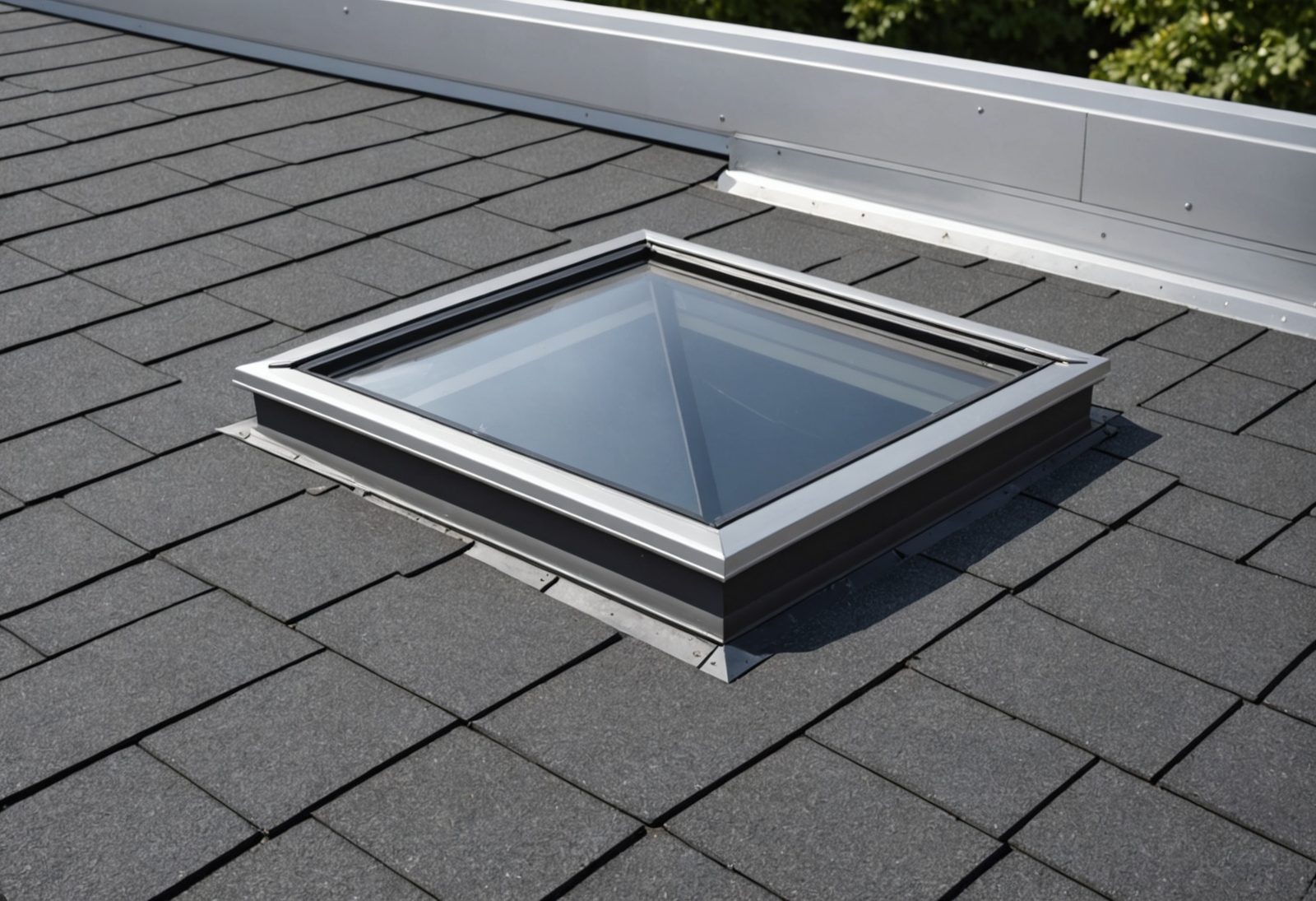
What a well-maintained skylight looks like
Going deeper
Most skylight leaks start at the flashing, the layered metal that sheds water around the opening, and not at the glass. For the detail on how a flashing kit is built and layered with the roofing, see VELUX's explanation of skylight flashing. Understanding what the flashing does helps you know what to ask a contractor to check.